
In the past year, I’ve been fancying seeing a therapist. Where did this desire come from? Well, some people I know visited one and I’m a huge fan of the show Billions — If you know, you know. The idea that you can be primed to perform optimally is one that excites me. While I haven’t got to see one yet, I recently had a close to therapy session experience.
I just read Brené Brown’s latest book — Dare to Lead, reading it was a life changing experience ( I rarely use this term). I wish more people would read it, it’s one of the best books I’ve read this year.
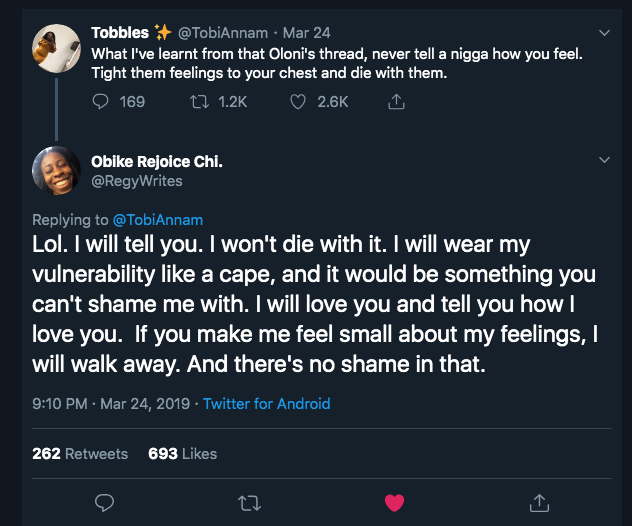
Just like many people I struggle with having difficult conversations and expressing myself as I ought to many times, reading Dare to Lead has helped me cut out all the BS I tell myself and find clarity in expressing myself. I’m not there yet but I’m definitely not where I used to be.
"What I really would like said about me is that I dared to love. By love, I mean that condition in the human spirit so profound it encourages us to develop courage and build bridges, and then to trust those bridges and cross the bridges in attempts to reach other human beings." pic.twitter.com/wwtnpnVXTg
— Maya Angelou (@DrMayaAngelou) March 10, 2019
Here are a few tips on having better conversations and relationships from Brené Brown.
1. What/How I am feeling
It’s important to name the emotion you are feeling. Is it Fear, Shame, Happiness, Curiosity or Sadness?
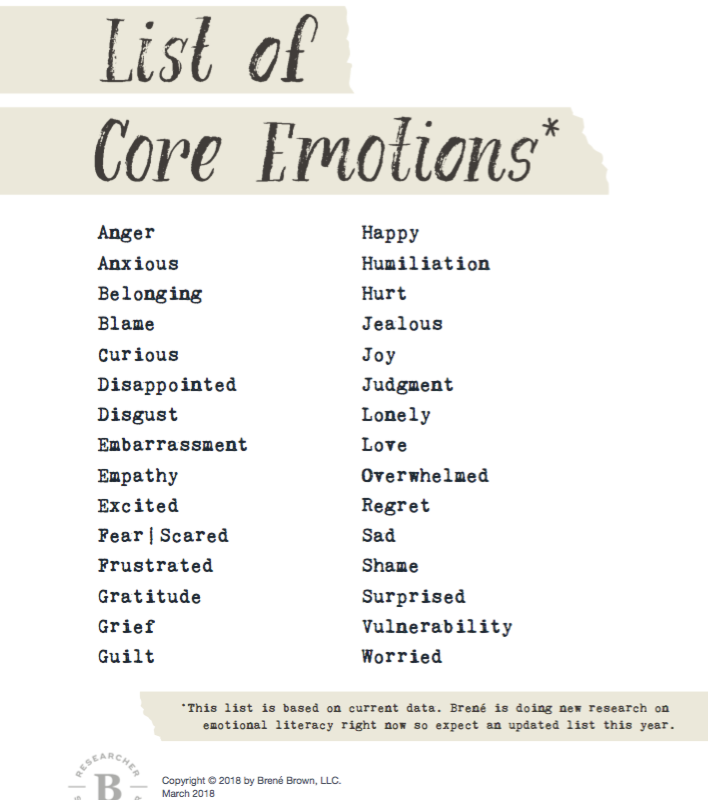
In case you’re looking for the right word| Source: Brené Brown
Identifying the emotion you are feeling is a good place to start from, it might be worth learning the meaning of the emotion first.
Shame is the fear of disconnection—it’s the fear that something we’ve done or failed to do, an ideal that we’ve not lived up to, or a goal that we’ve not accomplished makes us unworthy of connection.#DareToLead
Brené Brown 👌🏽
— Daniel Adeyemi (@DanielTAdeyemi) March 24, 2019
And of course, there are times when emotions aren’t so clear or they are not just popular — heard of Occhiolism, Liberosis or Pãro?
Pâro
n. the feeling that no matter what you do is always somehow wrong — that any attempt to make your way comfortably through the world will only end up crossing some invisible taboo — as if there’s some obvious way forward that everybody else can see but you, each of them leaning back in their chair and calling out helpfully, colder, colder, colder.
It takes time to diagnose this, however with practice you’d get better at spotting the emotion faster.
2. Why I am feeling this way
Emotions often have triggers, some internal and some external.

The reason might not come immediately or sometimes we won’t be able to trace it till we talk to someone else.
For example, I distrust people because of a couple of trust shaking incidents that happened to me, I am impatient because I am exhausted.
3. What I am hearing you say
Aha! It gets interesting here, easily people say things like “You think I am stupid because all you do is point out the wrong things I do” or “I don’t matter to you because you ignore the things I say or ignore me.
It’s important when stating what someone is saying that you phrase it as “This is what I am hearing you say” not “You are saying this”
A better way would be:
I am hearing you say I am stupid when all you do is point out the wrong things I do.
I am hearing you say I don’t matter to you when you ignore the things I say or Ignore.
4. The story I am telling myself because of what I’m hearing you say
We make up stories to try to make sense of things when we don’t have all of the relevant facts. In the absence of data, we will always make up stories.
The first story we make up is what we call the “shitty first draft” (SFD)
When we deny a story and when we pretend we don’t make up stories, the story owns us. It drives our behavior, and it drives our cognition, and then it drives even more emotions until it completely owns us.#DareToLead
— Daniel Adeyemi (@DanielTAdeyemi) March 24, 2019
Let’s take it further, “I am hearing you say I don’t matter to you when you ignore the things I say or Ignore me, therefore, the story I am telling myself is that I don’t matter to you.
Argh! For someone who likes to go straight to the point this might feel like plenty talk but to be fair this seems like a better way to communicate.
5. Let’s Circle Back
It’s okay to opt out of a conversation when it’s getting intense or you’re not clear.
Brené says “When having difficult conversations circling back gives us the opportunity to revisit a conversation or interaction after we’ve had time to fully process. I need to think about this. Can we circle back in an hour?
Sometimes in the middle of a difficult conversation you find yourself feeling defensive or needing time to think. It can be helpful to request a time out with a circle back in a specific period of time. This signals that you’re considering the conversation carefully rather than rushing to placate or dismiss what’s being said. I think I need a time out. Can we circle back and finish up this conversation in a couple of hours?”
One more thing
It’s important you own your mistakes, apologize, and make amends.
I really like the tip of the day from @HarvardBiz
Definitely, a good guide to follow next time I make a mistake, which I'm sure is around the corner already 🙂 #ThursdayThoughts pic.twitter.com/GmcGssqJ8M
— Daniel Adeyemi (@DanielTAdeyemi) February 28, 2019
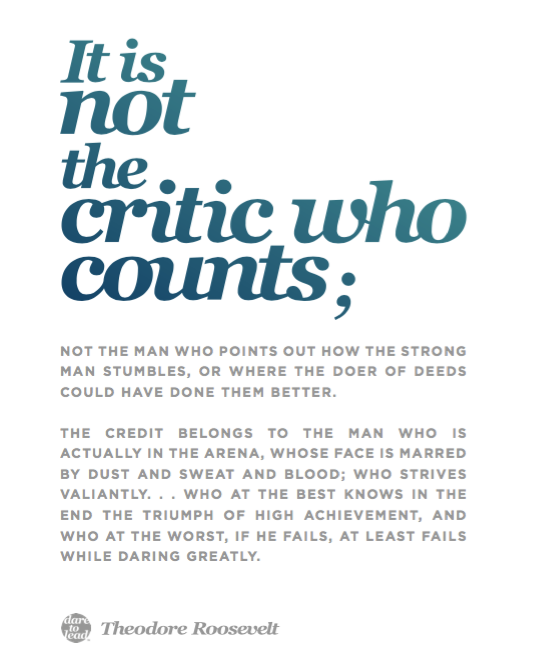
Who counts?
✌
I hope you try these tips out, It should make a difference in how you communicate and relate with people 😊
A little caveat: There’d still be instances where the other person(s) would not open up or respond in a reasonable way even after applying these tips. Remember, everyone’s a
work-in-progress.
"We also go on lockdown when our emotions may be perceived by others in a way that we can’t manage or control. If I’m honest about how I’m feeling, will I be misunderstood, judged, seen as weak? Will my vulnerability change the way you think of me or my ability?"
Brené Brown ❤️
— Daniel Adeyemi (@DanielTAdeyemi) March 24, 2019
Leave a Reply